Four Walls, a Corner Booth, and the Entire Arc of Who I Was Becoming
I didn't choose the café so much as drift into it. The way you drift into most things that end up mattering — without ceremony, without intention, just following the scent of something warm on a cold Tuesday morning when you have nowhere better to be.
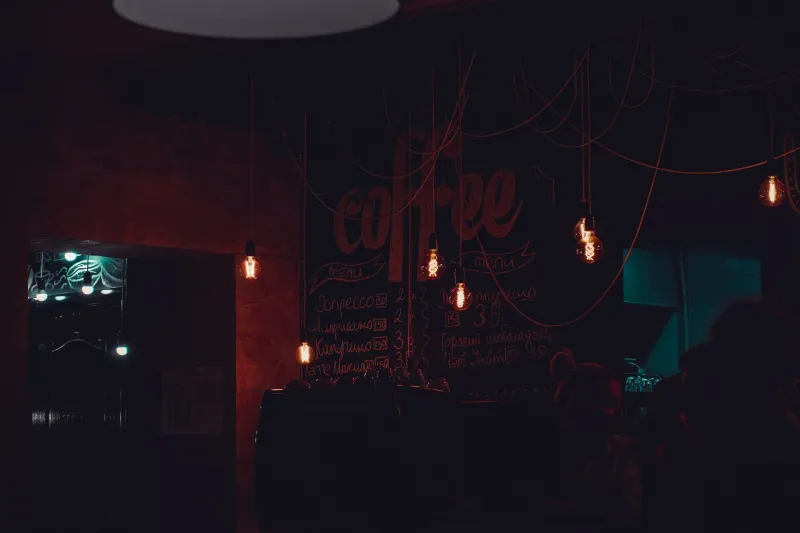
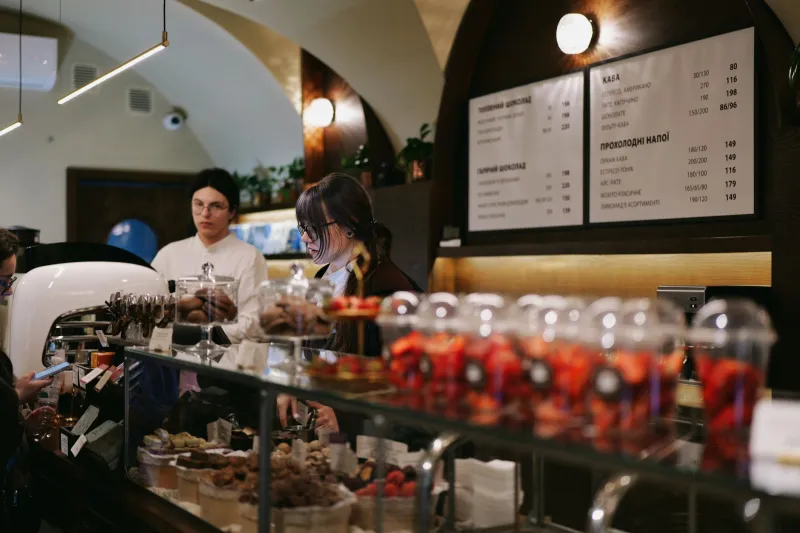
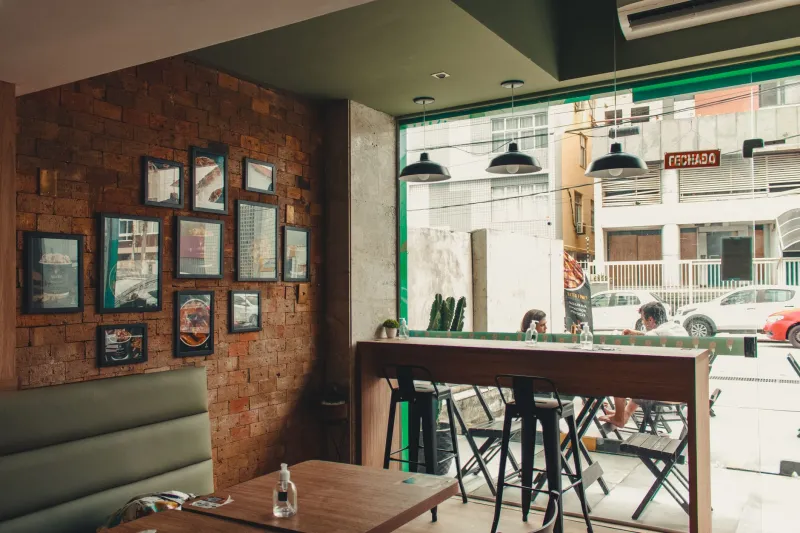
It was called Meridian. Still is, technically, though I'm not sure the version of it that exists today is the same place I'm talking about. A converted row house on the east side of the neighborhood, exposed brick on two walls, a chalkboard menu that changed with the seasons, and a corner booth near the back window that I quietly claimed as mine sometime around October of what turned out to be the most turbulent year of my adult life.
I didn't know it then. You never do.
The Café as Container
There's a concept in environmental psychology called place attachment — the emotional bond that forms between people and the physical spaces they inhabit over time. Researchers have been studying it for decades, mostly in the context of homes and neighborhoods. But anyone who has ever been a true regular at a coffee shop understands instinctively that the phenomenon extends to a good café just as naturally.
We don't just visit these places. We deposit ourselves in them. Every morning we carry something in — anxiety about a job interview, the raw edge of a recent argument, the particular electric hum of a new idea — and the café absorbs it. The walls soak it up. The booth cushions hold the shape of it. Over enough visits, the space stops being neutral. It becomes freighted with your particular story.
Meridian became that for me slowly, then all at once.
The breakup happened at the table by the front window — not the corner booth, which I'd somehow instinctively kept clean of that particular wreckage. I remember staring at the steam rising from my cortado while the conversation went places I wasn't ready for it to go. The barista — a tall guy named Dev who always remembered my order — pretended not to notice. That felt like a kindness I still think about.
The Things a Café Witnesses
Over the following eighteen months, Meridian held more of my life than any single room had a right to.
I got the job offer I'd been chasing for two years on a Wednesday afternoon in the corner booth, reading the email three times before I believed it. I cried a little. A woman at the adjacent table smiled at me like she understood, then looked back at her laptop. Nobody made a thing of it. That's one of the underrated graces of a good coffee shop — the permission to feel things in public without being made to perform them.
I wrote the first draft of the creative project I'd been postponing for four years at that same table, fueled by oat milk lattes and the low hum of the playlist Dev controlled from behind the bar. I had a minor breakdown about my career trajectory one rainy March morning and was talked off the ledge — gently, without being asked — by the woman who owned the place, who sat down across from me with her own cup and just said, rough one?
It was. It wasn't. It was the kind of rough that's actually just growth wearing a very uncomfortable costume.
Meridian was my office on the days the apartment felt too small. It was my therapist's waiting room on the weeks between actual therapy appointments. And on Sunday mornings, when I'd come in early and the light hit the brick wall at that particular low angle and Dev had something slow and instrumental on the speakers, it was something close to church. A place where I felt, without anyone telling me to, that the ordinary details of my life were worth paying attention to.
Why We Need a Place to Witness Us
I think we underestimate how much we need to be seen — not in the performative, social-media sense, but in the quieter, more fundamental sense of having our daily existence acknowledged by something outside ourselves.
A great coffee shop does this without trying. The barista who remembers your order is, in a small but real way, confirming that you exist and that your preferences matter. The booth that's usually free when you arrive is the universe cooperating with your routine. The ambient noise that somehow makes it easier to think — that's the café meeting you halfway.
When you're in the middle of a major life transition, this kind of low-key witnessing becomes surprisingly sustaining. You can't always articulate what you're going through. Sometimes you're not even sure yourself. But you can show up at Meridian at 8:15 on a weekday, order the same thing, sit in the same spot, and feel — if only for an hour — that there is a stable coordinate in the world that knows where to find you.
That's not a small thing. That might be everything.
When the Chapter Closes
I moved across town fourteen months ago. Not far — maybe twenty minutes by train — but far enough that Meridian stopped being convenient, which meant it stopped being habitual, which meant it quietly stopped being mine.
I went back once, a few months after the move. Sat in the corner booth. Ordered the cortado. Dev wasn't there anymore — someone told me he'd relocated to Portland. The playlist was different. The woman who'd sat down across from me on that rainy March morning wasn't behind the counter. A new chalkboard menu listed drinks I didn't recognize.
The place was still good. Objectively, honestly good. But I was a different person sitting in it, and the specific alchemy that had made it mine had quietly dissolved.
This is the part nobody warns you about when you become a café regular: the attachment runs both ways, but only you feel it. The café doesn't grieve you when you leave. It just fills your booth with someone else's story and keeps going.
There's something clarifying about that, if you let it be.
What the Cup Was Holding All Along
Looking back, I think Meridian was never really about the coffee — though the coffee was excellent, and I maintain that a well-pulled cortado at the right moment is a minor spiritual event. It was about having a place that could hold the shape of a chapter while I was still living it. A physical anchor for a period of life that felt, from the inside, like pure formlessness.
The café gave that era a geography. A corner. A window. A smell. A soundtrack.
And now, when I want to find that version of myself — the one who was cracking open and reassembling at a corner table while Dev played something quietly perfect in the background — I know exactly where to look.
Some places don't just witness your becoming. They become part of the evidence that it happened at all.