Haunted by Someone Else's Order: The Drinks That Keep Other People Alive in Our Minds
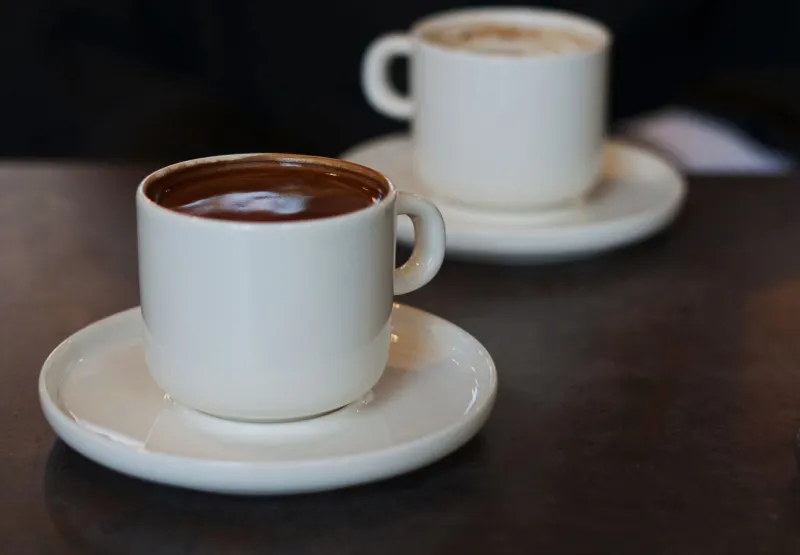
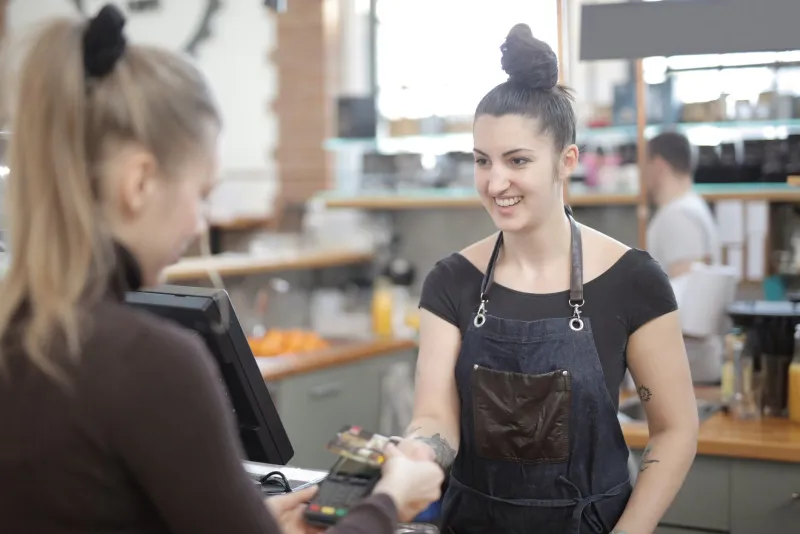
It happens without warning. You're standing in line, half-asleep, barely reading the menu, and the person two spots ahead of you orders a large oat milk cortado with an extra shot and no foam. And suddenly you're not in a coffee shop anymore. You're twenty-three, sitting across from your college roommate in a booth that smelled like burnt espresso and ambition, watching her order that exact thing for the very first time.
Some drinks don't stay neutral. They get claimed.
The Psychology of Caffeinated Memory
There's a reason smell is the sense most tightly wired to memory, and coffee sits right at the center of that phenomenon. The olfactory system connects directly to the hippocampus and amygdala—the parts of your brain responsible for memory and emotion. Which means that a specific drink, with its particular combination of roast, milk, sweetness, and ritual, can become a kind of sensory fingerprint for another human being.
Psychologists call this associative memory, but coffee drinkers just call it Tuesday. You've probably experienced it: the first sip of a dark roast that takes you straight to your dad's kitchen at 6 AM, or a lavender latte that makes you feel, briefly, like you're still in that relationship that ended three years ago. The drink isn't just a drink. It's a portal.
What makes coffee particularly powerful here is the ritual dimension. Unlike food, which we eat at irregular intervals and in wildly different contexts, coffee tends to happen on schedule. Same time, same order, same person sitting across from you. That repetition builds a groove in your neural architecture. The drink and the person become fused.
The Orders That Belong to Someone Else
Think about the people in your life and the drinks attached to them. Really think.
For a lot of us, there's a parent in there somewhere. Maybe it's a plain black drip coffee—nothing fancy, nothing wasted—that smells like Sunday mornings and the sound of the newspaper hitting the porch. Or maybe it's a heavily sweetened café au lait that means grandmother, means safety, means a kitchen where someone was always already awake when you walked in.
Then there are friends. The coworker who introduced you to cold brew back when it felt exotic and you both pretended you understood why it cost more. The best friend whose complicated Starbucks order you memorized because you were always the one who offered to make the run. You could probably still recite it. Venti iced caramel macchiato, extra caramel, oat milk, light ice. You haven't spoken in two years, but that order lives in you like a phone number you never deleted.
And then, of course, there are exes. This is where it gets genuinely complicated. A cortado. A dirty chai. A single-origin pour-over from a specific roaster. These drinks carry a particular weight because they were often ordered in the middle of something—a first date, a fight, a quiet Sunday that felt like it might last forever. The drink witnessed the relationship. Now it carries the whole thing inside it.
What Happens When a Stranger Orders It
This is the moment that catches you off guard. You're at a café you've never been to, in a city that has nothing to do with your history, and someone at the next table orders your ex's drink. Or your late mother's drink. Or the specific combination your best friend used to order before she moved to Portland and your friendship quietly dissolved into monthly texts.
For a second, the room tilts.
It's not grief exactly, though it can feel like it. It's more like a reminder that the drink exists independently of the person. That the world kept making cortados after she left. That the menu didn't mourn. There's something both comforting and disorienting about that—the drink is still here, still available, still being ordered by people who have no idea what it means.
Some people find themselves ordering it. Just to see. Just to hold something that feels adjacent to the person they're missing. Others find they can't. The drink has become too specific, too claimed, too heavy with someone else's presence to feel comfortable in their own hands.
How These Associations Shape What We Order
Here's something worth sitting with: the drinks other people have claimed don't just haunt us. They actively shape what we choose for ourselves.
Some people deliberately avoid certain orders because they belong to someone else—it feels like trespassing on a memory, or worse, like erasing the distinction between who that person was and who you are. Others drift toward those drinks as a form of quiet tribute, a way of keeping someone present in the daily ritual of living.
And then there's the more complicated pattern: the person who discovers, years into a relationship, that they've unconsciously adopted their partner's order. You started getting the vanilla latte because she always got one and it was easier to remember one drink. Now she's gone and you're still getting the vanilla latte and you're not entirely sure it's yours anymore.
This is where the coffee ritual becomes genuinely philosophical. Every cup is, in some sense, a statement about who you are. But our identities are built from the people we've loved and lost and grown alongside. The drink you order might be yours—or it might be a way of carrying someone with you into every morning.
Reclaiming the Cup
None of this is a problem to solve. The fact that a cortado can hold an entire human being, or that a black coffee can summon a whole childhood kitchen, is not a malfunction. It's the system working exactly as intended.
But it's worth asking, every now and then: which orders in your rotation actually belong to you? Which ones did you arrive at through genuine curiosity and preference, and which ones are you holding for someone else?
Maybe that's a reason to experiment more. Try something completely new, something with no prior associations, no one else's fingerprints on it. Build a fresh memory. Give some future version of yourself something unclaimed to order.
Or maybe you keep ordering the lavender latte. Maybe that's its own kind of loyalty—a daily, quiet acknowledgment that the people who shaped you are still worth a few minutes of your morning.
Every cup is a step on your journey. Some of those steps, it turns out, are taken in someone else's footprints. And that's not always the worst thing in the world.