The Best Career Move I Ever Made Was Ordering the Same Drink Every Tuesday

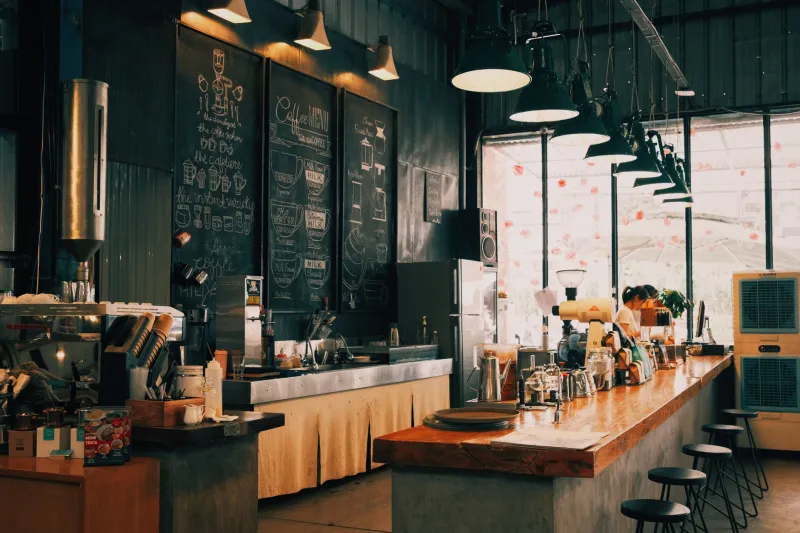
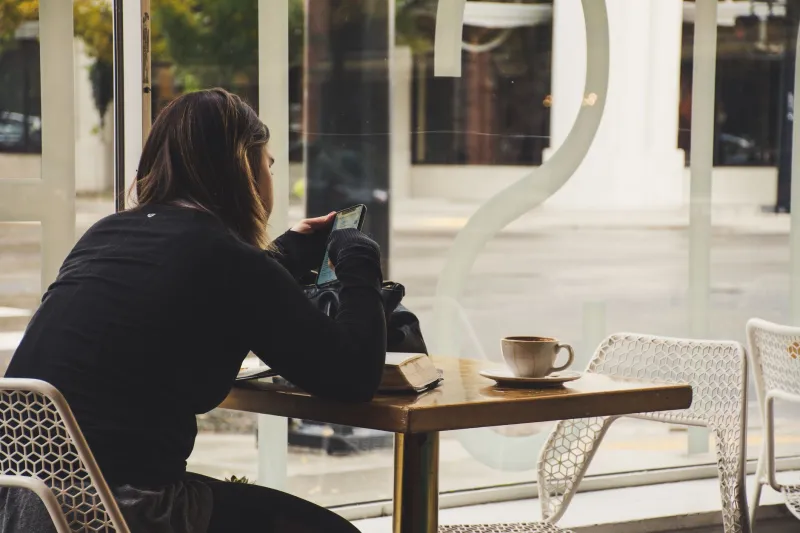
I didn't walk into Groundwork Coffee in Los Angeles with a pitch deck. I walked in with a dead laptop battery, a freelance project I was already late on, and exactly zero expectations about what that afternoon would become. I ordered a cortado, found a corner table near the outlet, and got to work.
 Photo: Groundwork Coffee, via 4.bp.blogspot.com
That was three years ago. Since then, that same café has quietly handed me two long-term clients, a mentor I never would have found through a job board, and a collaborator who helped me land the biggest project of my career. I didn't optimize any of it. I just kept showing up.
The Network You Build Without Trying
Here's the thing nobody tells you about professional networking: the version you've been sold — the LinkedIn requests, the conference name tags, the carefully worded cold emails — is exhausting precisely because it's transactional. Everyone in the room knows why everyone else is there. The whole exercise carries this low hum of mutual audition, and most people can feel it.
A coffee shop doesn't work that way.
When you become a regular somewhere, you're not presenting a curated version of yourself. You're just a person who likes a particular drink, made by a particular barista, in a particular chair. You're consistent in the most human way possible. And consistency, it turns out, is magnetic.
The first person I met at that corner table was a woman named Dana who worked in UX design. We didn't meet because we were networking. We met because she asked if the outlet I was hogging had a second plug, and I said yes, and we both laughed about the specific desperation of a dying laptop. Within twenty minutes, we were talking about our work. Within a month, she had referred me to a client she couldn't take on herself. That referral led to an eighteen-month contract.
 Photo: Dana, via nova.rs
No algorithm matched us. No mutual connection introduced us. We just both needed coffee and a place to plug in.
What Regulars Actually Know
Becoming a true regular at a coffee shop is a slow process, and that slowness is part of what makes it valuable. You don't earn the nod from the barista on day one. You earn it somewhere around week four, when they start making your drink before you reach the register. That small moment of recognition signals something bigger: you belong here. You're known.
And being known in a physical space changes how other people in that space relate to you.
There's a psychological principle at work that researchers sometimes call the "mere exposure effect" — the simple fact that familiarity breeds trust. When people see your face repeatedly in a relaxed, low-stakes environment, they begin to associate you with comfort and reliability before you've said a single impressive thing about yourself. By the time a real conversation happens, you're already halfway to trustworthy.
I watched this play out in slow motion over the course of a year. The guy who always sat two tables over, headphones on, nursing an Americano — we exchanged maybe a dozen words over six months. Then one afternoon, his headphones came off, and he asked what I was working on. I told him. He told me about his company. Six weeks later, I was doing contract copywriting for them.
He didn't hire me because of my portfolio. He hired me because he'd watched me work, quietly and consistently, for half a year. I had already demonstrated my work ethic in the most honest way possible: by actually doing the work, right in front of him, every week.
The Mentor I Didn't Know I Needed
The most unexpected career gift that café gave me came in the form of a retired creative director named Marcus who came in every Thursday morning and read actual, physical newspapers. We started talking because I made an offhand comment about a headline he was reading, and he laughed, and that was that.
 Photo: Marcus, via images.hitpaw.com
Over the next several months, Marcus became the closest thing I've ever had to a professional mentor. He'd spent thirty years in advertising, had opinions about everything, and was generous with both his time and his candor. He told me when my ideas were weak. He celebrated when they weren't. He introduced me to two people in his former industry who became genuine professional contacts.
I never would have found Marcus on LinkedIn. He's not on it. He doesn't have a website. He exists in the world the old-fashioned way — in person, with a newspaper, at a corner table on Thursday mornings. The only way to access that kind of wisdom is to show up in the same physical space and let time do its work.
Why the Coffee Shop Beats the Conference
Professional conferences have their place. But they're also expensive, exhausting, and designed around a kind of performance that leaves a lot of people cold. You have seventy-two hours to make an impression, and the whole environment is calibrated toward transaction.
A coffee shop operates on a completely different timeline. The relationships that form there develop at the pace of real human connection — slowly, organically, without agenda. You're not there to network. You're there because you like the coffee and the light through the window and the way the afternoon feels in that particular room. Everything else is a byproduct of simply being present.
There's something almost philosophical about it, if you want to go there. Your coffee ritual — the one you built because it makes you feel like yourself — turns out to be the truest professional development tool you own. Because the version of you that shows up at that corner table, relaxed and caffeinated and genuinely engaged with the world around you, is the most authentic professional you there is.
And authenticity, in an era of personal branding and algorithmic self-promotion, is genuinely rare.
How to Actually Let This Happen
I want to be careful not to turn this into a productivity hack, because the moment you start treating your coffee shop as a networking venue, you've already lost the thing that makes it work. The whole point is that it's not a strategy.
But there are a few things worth saying for anyone who wants to give this a real shot:
Pick one place and stick with it. Variety might be the spice of life, but consistency is the currency of belonging. Find a café that feels right and make it yours.
Be present without performing. Put your phone down sometimes. Make eye contact. Smile at the person whose charger you borrowed. Let conversations happen at their own pace.
Be patient. The best connections I've made took months to develop. The coffee shop rewards the long game.
Actually drink the coffee. This sounds obvious, but treat the ritual with the attention it deserves. Order something you love. Sit with it. The mindset you bring to your cup tends to be the mindset you bring to the room.
The Cup That Keeps Giving
I still go to that same café on Tuesdays. I still order the cortado. The barista still starts making it before I reach the register, and that small act of recognition still feels like something worth protecting.
The career I've built over the past three years isn't the one I planned. It's better — more connected, more human, more surprising. And a meaningful chunk of it traces back to a corner table, a dead laptop battery, and the decision to keep showing up to the same place until it started to feel like mine.
Your destiny, as it turns out, sometimes brews quietly in the background while you're just trying to get some work done.