Built to Last: The Coffee Spots That Time, Recessions, and Pandemics Simply Could Not Kill
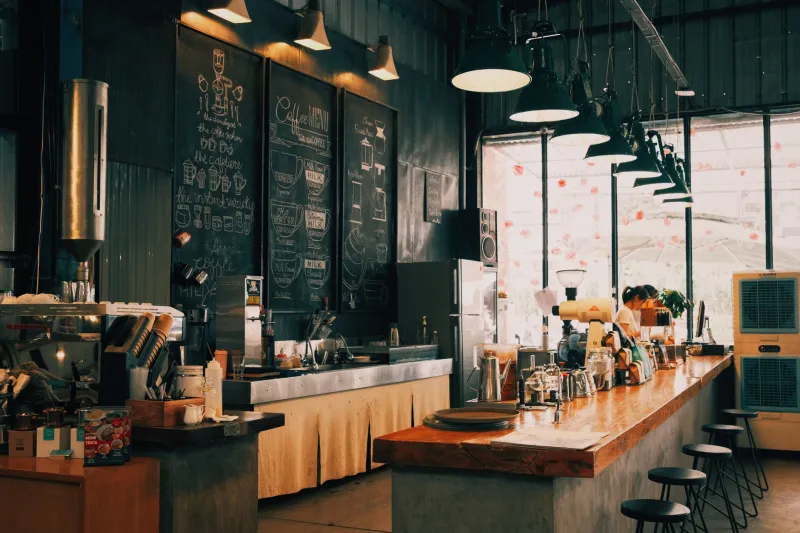
There's a diner in Cleveland that has been pouring coffee since 1951. The stools at the counter are the originals — cracked vinyl held together with something that might be electrical tape and might just be sheer stubbornness. The coffee itself is nothing fancy. It arrives in a thick ceramic mug, dark and no-nonsense, refilled without being asked. Three different recessions have come and gone. A pandemic tried its best. The neighborhood around it has changed faces at least twice. And still, every morning, the place fills up.
You've probably got one of these spots in your own city. Maybe it's a corner café that's been run by the same family for thirty years. Maybe it's a roaster that opened in a rough neighborhood before "up and coming" was even a phrase people used for that block. Whatever form it takes, you know it when you walk through the door — that particular feeling that this place was never going to go anywhere, no matter what the world threw at it.
So what's actually going on there? What separates a coffee spot that lasts decades from one that shuts down after eighteen months?
More Than a Business Model
The easy answer is "good coffee and loyal customers," but that's a little like saying a long marriage works because two people liked each other. True, technically. Also wildly incomplete.
Owners of long-standing coffee institutions tend to describe their spaces in terms that sound less like entrepreneurship and more like caretaking. Maria Delgado, who took over her mother's café in San Antonio's King William neighborhood in 2003, puts it plainly: "I never thought of this as my business. It was always the neighborhood's place. I just happened to be the one responsible for keeping the lights on."
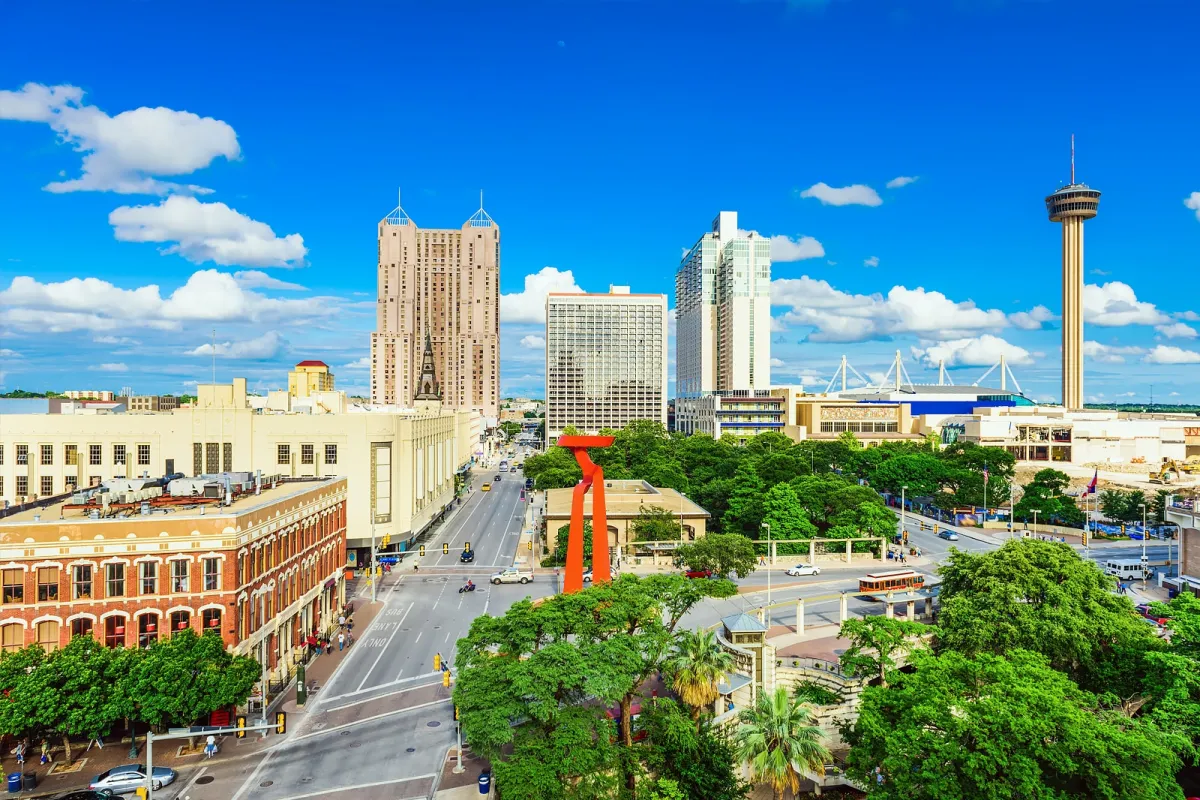 Photo: San Antonio, via a.cdn-hotels.com
That sense of stewardship — rather than ownership — shows up again and again in conversations with people who run these kinds of spots. The café isn't a vehicle for profit. It's more like a public utility, one that happens to serve excellent coffee and remember your name.
And regulars feel that distinction immediately. There's a difference between a place that wants your money and a place that wants you there. The latter tends to stick around.
The Physics of a Third Place
Sociologist Ray Oldenburg coined the term "third place" back in the 1980s to describe the spaces between home and work where community actually gets built. Coffee shops, diners, barbershops — the spots where people gather without agenda, where the price of admission is just showing up.
The coffee spots that outlast everything tend to function as almost aggressively good third places. They're not trying to be Instagram-worthy. They're not rotating their menu to chase seasonal trends. What they're offering is something harder to manufacture: a reliable sense of place.
In Portland, Oregon, a roaster called Spella Caffè has been operating out of a tiny cart-turned-storefront since 2007. Owner Andrea Spella pulls espresso using a hand-operated lever machine — a deliberately old-school choice that sets the pace of every transaction. You can't rush a lever pull. You wait. You talk to the person next to you. You become, briefly, part of something.
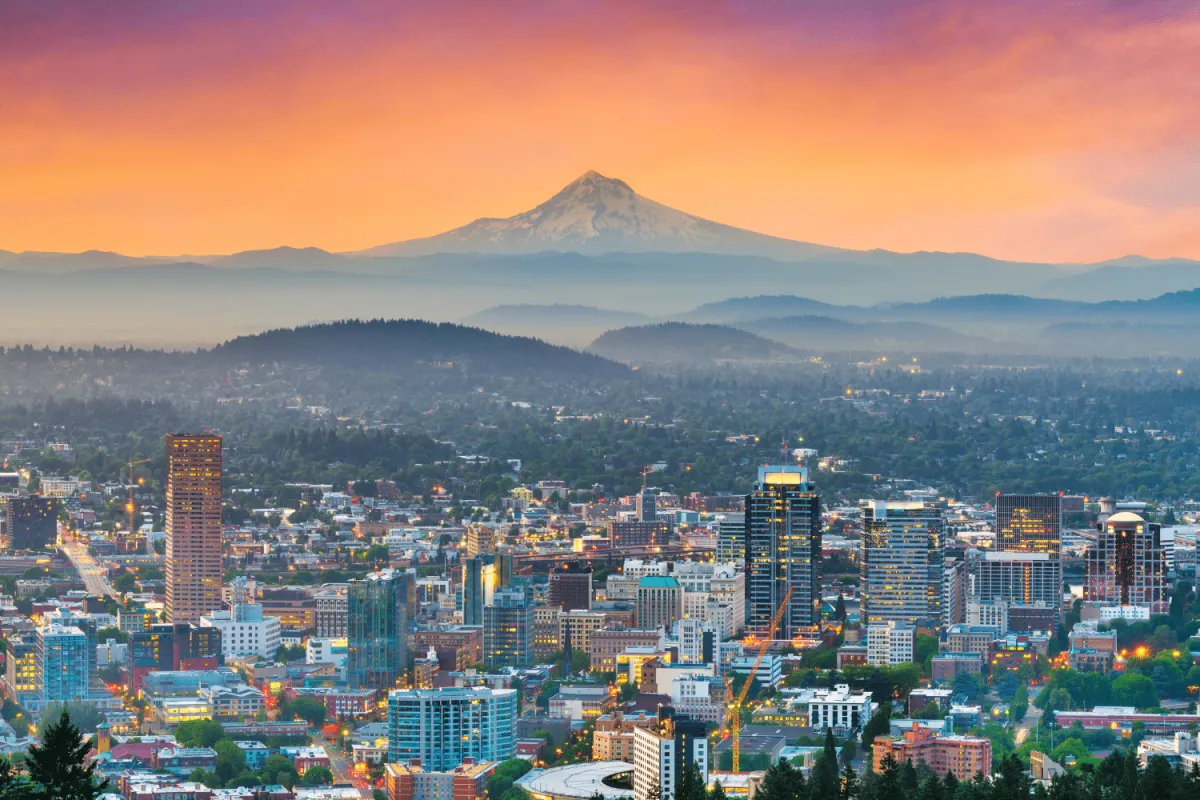 Photo: Portland, Oregon, via veganfamilyadventures.com
That kind of intentional slowness is a quiet act of resistance. In a city — in a country — that keeps accelerating, a place that insists on its own rhythm becomes almost radical.
What Survival Actually Looks Like
Let's be honest: surviving isn't always graceful. The coffee spots that make it through hard times usually have stories that involve some combination of near-disaster, community rallying, and a stubbornness that borders on irrational.
When the pandemic hit in 2020, a disproportionate number of independent coffee shops simply didn't reopen. The ones that did often had the same story: regulars showed up. Not metaphorically. People drove to pick up beans they could've ordered online. They bought gift cards they didn't need. They left tips that made no economic sense. They did this because the alternative — losing that place — was genuinely unacceptable to them.
In Chicago's Pilsen neighborhood, Café Jumping Bean has been a community anchor since 1994. During the pandemic shutdown, owner Luis Rendón watched as people left notes on the door. Handwritten things, in Spanish and English, saying they'd be back. "That's when I understood what we had built," he said in a 2021 interview. "It wasn't mine to close."
That's the thing about truly embedded coffee spots. At some point, they stop belonging entirely to their owners. They become shared property of a neighborhood, a community, a moment in time that people aren't willing to let go of.
The Regulars Who Become the Place
Walk into any long-standing coffee institution and pay attention to the people, not just the space. There's almost always a cast of characters who have been coming in so long that they're practically structural. The retired teacher who takes the same window seat every Tuesday. The two guys who've been having the same argument about baseball since 2009. The woman who brings her own mug because she's been coming here since before they switched suppliers.
These people aren't just customers. They're load-bearing walls.
When a beloved coffee spot closes, what people mourn isn't always the coffee itself. It's the loss of a place where they knew how to be. Where the ritual was reliable. Where their presence was expected and, in some quiet way, mattered.
The spots that outlast everything understand this implicitly. They protect the ritual. They keep the same hours, the same menu anchors, the same vibe — not out of laziness, but out of respect for what the regulars have built there alongside them.
Resistance by Remaining
There's something almost philosophical happening in a coffee shop that refuses to disappear. Every morning it opens, it's making a small argument against impermanence. Against the idea that everything is temporary, replaceable, subject to the next trend or the next crisis.
Your destiny — if you want to get a little cosmic about it — has been shaped by the places you've returned to. The spots that held you during hard years. The counter where you had a conversation that changed something. The booth where you made a decision you've never regretted.
Those places didn't survive by accident. They survived because someone decided they were worth protecting, and then a community agreed.
The next time you walk into a coffee shop that's been around longer than most people's marriages, take a second before you order. Look at the worn edges of the counter. The photos on the wall. The way the morning light hits the same spot it's been hitting for decades.
Then order your coffee, settle in, and add your own chapter to whatever story that place is still telling.
Some spots were simply built to last. The ones that make it all the way to sacred — those were built by the people who kept coming back.