One Last Order: Why Saying Goodbye to Your Coffee Shop Might Be the Hardest Part of Moving

The boxes are taped. The furniture is sold or donated. Your friends threw you a going-away party last weekend, and you hugged everyone a little too long. But there's still one thing left on the list — one stop that somehow feels more loaded than all of it.
You have to go back to the coffee shop.
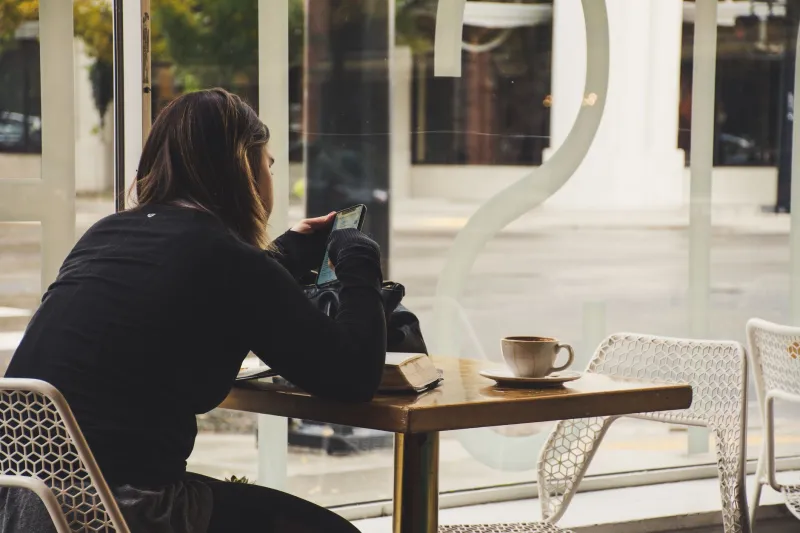
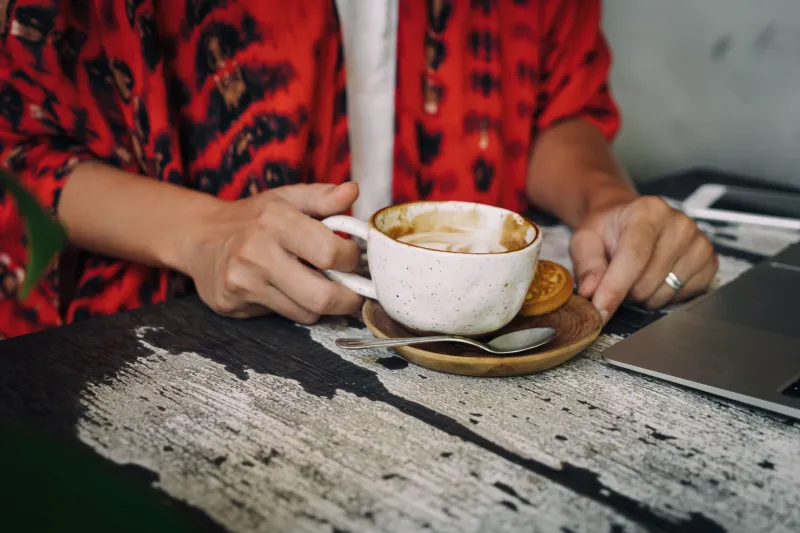
Not because you need caffeine. Not because you forgot something. You go back because some part of you understands, maybe without being able to explain it, that the story you've been living in this city doesn't really end until you sit down one more time in that familiar chair, wrap your hands around that familiar cup, and let yourself feel the weight of everything it represents.
Why a Coffee Shop Becomes More Than a Coffee Shop
It happens gradually. You start going because it's convenient, or because a friend recommended it, or because the rent on your apartment didn't include much sunlight and this place had big windows. You keep going because the oat milk latte is exactly right, or because the barista started recognizing you, or because the corner table with the wobbly leg somehow became your corner table.
Over months and years, the place quietly accumulates your life. You drafted your resume there when you were job hunting. You cried into your Americano the morning after a bad breakup. You met your best friend in this city here, by accident, because you both reached for the last copy of the same free local magazine. You've had your best ideas here, your worst mornings, your most ordinary Tuesdays.
Coffee shops are strange that way. They're semi-public spaces — you don't own them, you don't live in them — but they hold your history like a private room. And when you're about to leave the city, that history becomes impossible to ignore.
The Ritual Nobody Talks About
Ask anyone who has relocated across the country, and chances are they remember their last coffee shop visit with unusual clarity. Not the going-away dinner, not the final night out at the bar — the coffee shop.
Marcus, who moved from Portland, Oregon to Nashville for a new job, describes his last morning at his neighborhood café almost like a meditation. "I got there right when they opened, which I almost never did. I ordered my usual — cortado, blueberry scone — and I just sat there for like two hours. I didn't work. I didn't scroll my phone much. I just watched the morning happen the way I'd watched it a hundred times before, except this time I knew I was watching it for the last time."
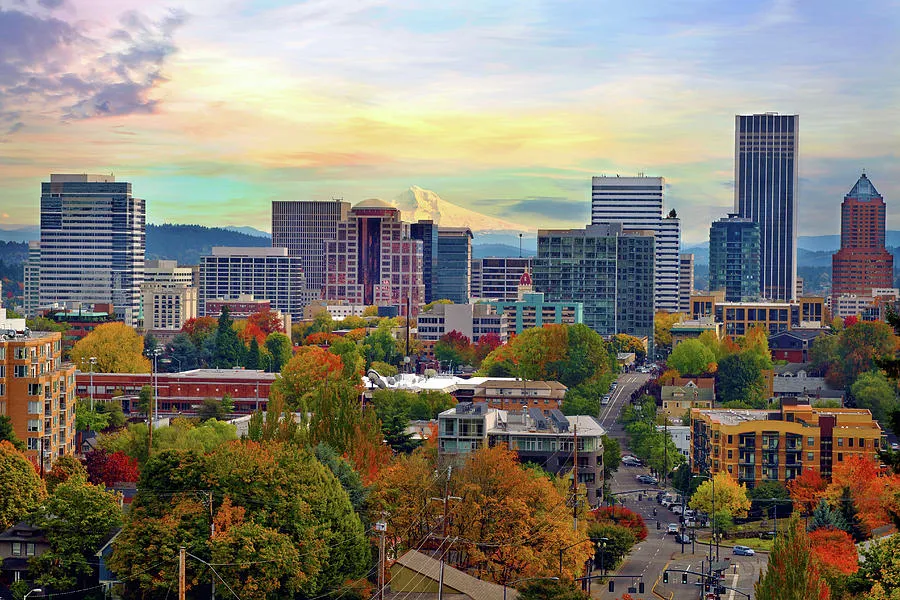 Photo: Portland, Oregon, via images.fineartamerica.com
There's something about that phrase — watching it for the last time — that captures what makes this ritual so emotionally resonant. The goodbye isn't really about the coffee. It's about bearing witness to a version of your life before it closes.
Jamila moved from Chicago to Austin and says she cried at her regular café in a way she didn't expect. "I'd said goodbye to my actual friends and kept it together. But when Maria behind the counter handed me my drink and said 'travel safe,' I completely fell apart. She'd been making my coffee for three years. She knew I took no sugar. She'd noticed when I cut my hair. That's intimacy, even if we never hung out outside that café."
The Barista Who Knew You
That intimacy Jamila describes is real, and it's worth sitting with. The relationship between a regular customer and a familiar barista is one of the quieter, more underappreciated connections in American daily life. It's not friendship exactly, but it's not nothing. It's a consistent, low-stakes human recognition — someone who sees you, reliably, and knows something true about you: what you drink, how you take it, whether you're a morning person or a slow starter.
When you move, you lose that. You have to start over as a stranger somewhere new, rebuilding recognition one visit at a time. That process isn't hard, exactly, but it takes time — and in the interim, there's a loneliness to being unknown in a coffee shop that you didn't expect.
The last cup, in this light, is also a last moment of being known by a place. And that matters more than most of us admit out loud.
The Cup as Ceremony
Every culture has rituals for marking transitions — graduations, weddings, funerals, toasts. Most of them involve gathering people together. But there's something to be said for the solo ceremony, the private acknowledgment of a turning point.
The last coffee shop visit before a move is one of those. You're not performing it for anyone else. You're doing it for yourself — to mark the moment, to honor what the place meant, to give the ending the weight it deserves.
Some people bring a journal. Some people sit quietly. Some people order something they wouldn't normally get, a small act of celebration or indulgence on the way out the door. Some people just linger, letting the sounds and smells of the place settle into memory.
None of it is dramatic. All of it is meaningful.
Starting Over, One Cup at a Time
Here's the thing about leaving a coffee shop behind: you'll find another one. You always do. The city you're moving to has its own neighborhood gems, its own baristas who will eventually learn your order, its own corner tables that will quietly become yours.
That's part of what makes the goodbye bearable. The ritual you built in one city is portable — not the specific shop, but the practice of finding your place in a new one. The willingness to be a regular, to show up consistently, to let a coffee shop become part of your identity in a new place.
Your coffee destiny doesn't end when you leave. It just moves with you.
But first — before the truck, before the highway, before the new city starts writing its new chapter — you go back one more time. You order your usual. You sit in your spot. You let yourself feel all of it.
And then you leave a good tip, say thank you like you mean it, and walk out into whatever comes next.